 blog
Best Landscaping Updates Before Selling Your Home
Table of Contents
- Why Landscaping Updates Matter When Selling Your Home
- Is Landscaping Worth It Before Selling a House?
- Low-Cost Landscaping Updates for Home Sellers
- High-Impact Landscaping Updates That Add Curb Appeal
- How Much to Spend on Landscaping Before Selling
- Landscaping Projects to Avoid Before Selling
- A Pre-Listing Landscaping Checklist and Timeline
- Conclusion
- Frequently Asked Questions
Last Updated: October 21, 2026
Why Landscaping Updates Matter When Selling Your Home
First impressions form before a buyer steps through the front door. The front yard does the talking first, and in a competitive market, that first look decides whether someone schedules a showing at all. Homes with tidy, well-maintained landscaping photograph better, show better, and attract more serious interest. The best landscaping updates before selling are not the most expensive ones. They are the ones that make the property look cared for.
That distinction matters. Buyers read an overgrown yard as deferred maintenance, and they price that suspicion into their offer. A clean edge, fresh mulch, and a healthy lawn send the opposite signal: this owner kept up with the property.
Is Landscaping Worth It Before Selling a House?
Yes, in most cases. The question of whether landscaping is worth it before selling a house comes down to scope. Small, targeted improvements that fix obvious flaws and sharpen curb appeal tend to pay for themselves in buyer interest. Large, taste-specific projects usually do not.
A common mistake is treating landscaping as a single big expense. It is not. Think of it as a series of small signals. A buyer walking the front yard is asking silent questions: Is the lawn healthy? Are the beds maintained? Is anything broken? Every "yes" builds confidence. Every "no" invites a lower offer.
The practical rule we give sellers: spend on presentation, not on personal taste. You are not designing a yard for yourself anymore. You are removing reasons for a buyer to hesitate.
Low-Cost Landscaping Updates for Home Sellers
Low-cost landscaping updates for home sellers focus on cleanup and refresh, not renovation. These are the jobs that cost little but change how the whole property reads from the street. Two of them deliver the most visible return.
Freshen Garden Beds with Mulch
Fresh mulch is the cheapest face-lift a yard can get. A new layer of dark mulch against a house instantly makes beds look maintained and intentional. It also suppresses weeds and holds moisture, which keeps the beds looking good through showings.
Pull weeds first, edge the bed line sharply, then apply mulch. Do not bury plant crowns or pile mulch against the foundation. A clean, defined edge does as much work as the mulch itself.
Prune Overgrown and Dead Plants
Overgrown shrubs hide windows and make a house look smaller and darker. Dead branches signal neglect. Pruning fixes both in an afternoon.
Focus on three things: shape overgrown shrubs back from the house, remove dead wood entirely, and lift low-hanging tree limbs so the yard feels open. Do not shear everything into tight balls. Natural, cleaned-up shapes photograph better and read as healthy plantings.
High-Impact Landscaping Updates That Add Curb Appeal
The high-impact updates are the ones buyers notice immediately: a healthy lawn, repaired hardscape, and outdoor features that look intentional rather than dated. These carry more weight in listing photos and showings than any single plant choice.
Repair Bare Patches and Improve Lawn Health
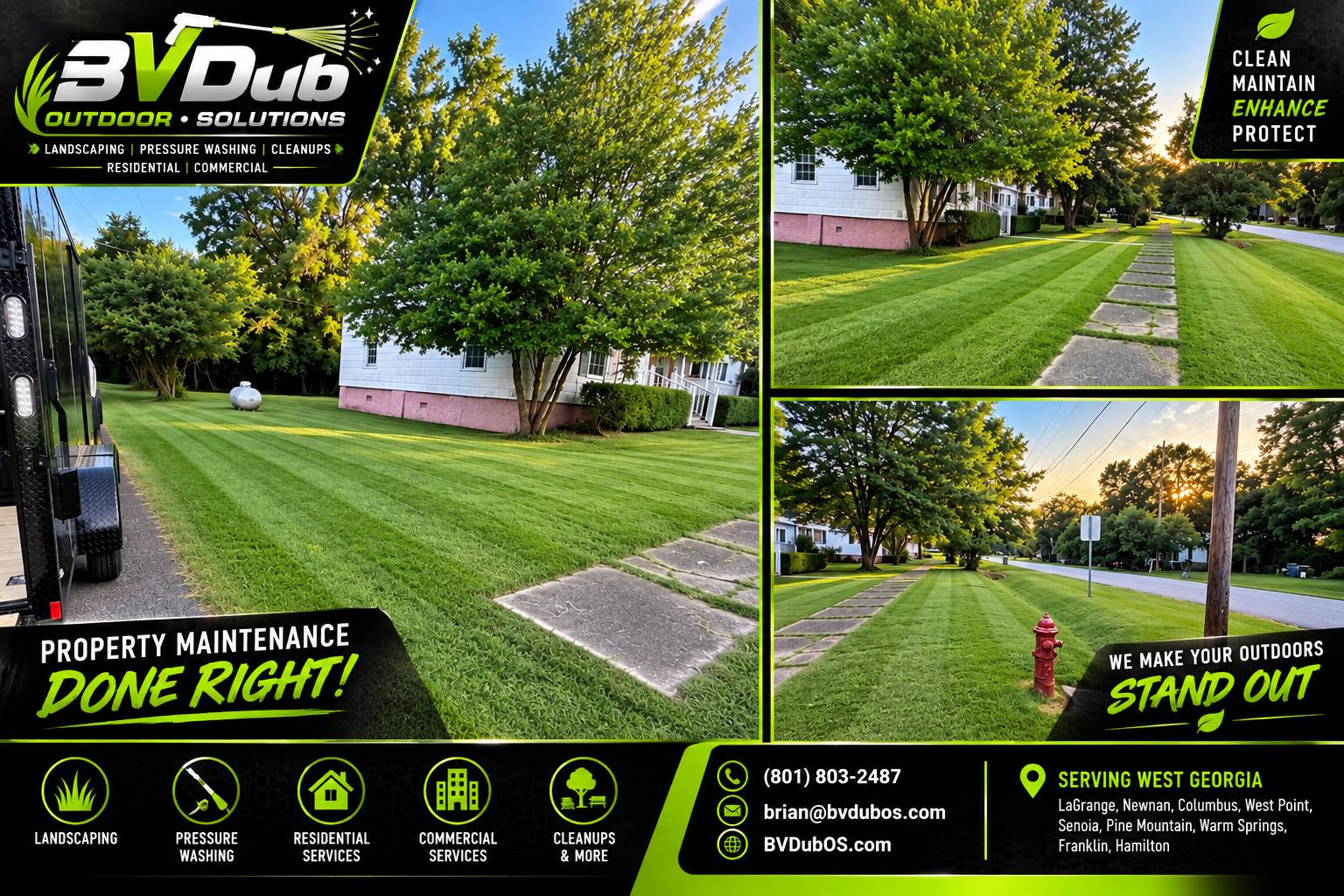
A patchy lawn is one of the first things a buyer sees. Repair bare patches before listing. Rake out dead material, add topsoil, and either overseed or lay sod in the damaged areas, depending on the season and how quickly you need results.
Then address the cause. Bare patches usually come from poor watering, compaction, or shade. Fixing the symptom without the cause means the grass fails again during the listing period. Consistent watering and a proper mow height keep the lawn looking even.
Update Broken or Dated Outdoor Features
Walk the property and note everything broken: cracked walkway pavers, a leaning fence post, a rusted mailbox, a sagging gate. Repair or replace them. Buyers fixate on small defects because they assume there are more they cannot see.
Where a patio or hardscape looks dated, cleaning and re-sanding joints is often enough. If a brick patio has settled or heaved, correcting it makes the outdoor living space usable again, which is a selling point in itself.
How Much to Spend on Landscaping Before Selling
There is no fixed number, and anyone quoting one without seeing your property is guessing. How much to spend on landscaping before selling depends on the home's price point, its current condition, and what buyers in your area expect. What you can control is how you allocate the budget so every dollar buys visible buyer confidence rather than personal taste.
A useful framework is to think in three tiers. Tier one is presentation: cleanup, pruning, edging, mulch, and lawn repair. Tier two is function: fixing broken walkways, fences, gates, drainage, and settled pavers. Tier three is design: new plantings, bed redesigns, water features, and hardscape construction.
Within those tiers, prioritize in this order:
| Priority | Improvement | Typical Effort | Buyer Impact | Budget Tier |
|---|---|---|---|---|
| 1 | Yard cleanup and debris removal | Low | High | Presentation |
| 2 | Pruning and bed edging | Low | High | Presentation |
| 3 | Fresh mulch | Low | High | Presentation |
| 4 | Bare patch repair and lawn health | Medium | High | Presentation |
| 5 | Repairing broken features | Medium | Medium | Function |
| 6 | Drainage and grade corrections | Medium | Medium to high | Function |
| 7 | Patio and hardscape refresh | Medium to high | Medium | Function |
| 8 | New plantings and bed redesign | High | Variable | Design |
Spend first on the top of that list. If budget remains, move down. Stop before you reach projects that reflect your taste rather than the property's needs.
On resale impact: landscaping is not a line item buyers price directly the way they price a roof or an HVAC system. Instead, it works through perception. A yard that looks maintained reduces the buyer's assumption of deferred maintenance, which is where low offers come from. The mechanism is confidence, not appraisal value.
A practical way to set the number: walk the property with a notepad and list every visible flaw a buyer would notice from the curb and the front door. Price the fixes. That list, not a percentage of home value, is your realistic budget. If the list is long, fund the presentation items first and defer the rest.
Landscaping Projects to Avoid Before Selling
Landscaping projects to avoid before selling share one trait: they are expensive, slow, or personal. A new retaining wall, a full bed redesign, or a specialty garden may impress you and mean nothing to a buyer.
Avoid these before listing:
- Major plantings that need time to establish
- Anything requiring permits or weeks of construction
- Water features, which some buyers see as maintenance
- Highly specific designs tied to one style
- Large tree removals unless a tree is a genuine safety hazard
If a tree is dead or leaning dangerously, remove it. Safety and drainage defects are different from cosmetic preferences, and buyers will pay attention to them either way. Fix functional problems; leave taste decisions to the next owner.
A Pre-Listing Landscaping Checklist and Timeline
Plan the work backward from your listing date. Most of these jobs fit into a few focused weekends, but the order matters because some tasks need time to settle before photos and others should be done as late as possible so they still look fresh during showings.
A workable sequence for a typical four-week runway:
Four to three weeks out, fix and clean. Clear debris, leaves, and dead branches from the whole yard. Remove dead plantings. Prune shrubs back from the house and lift low tree limbs. Repair bare patches with topsoil and seed or sod, and correct any obvious drainage or grade problems so water runs away from the foundation. Repair broken walkways, fences, gates, and fixtures. This is the heavy work, and it needs the most lead time.
Two weeks out, refresh and define. Edge beds sharply and apply fresh mulch. Clean the patio and correct settled pavers. Touch up the front entry: door, hardware, house numbers, and lighting. Mow and edge on a consistent schedule from here forward. Finishing mulch about two weeks before photos lets it settle without looking tired.
One week out, detail and document. Do a final walk-through from the street and photograph your own yard. What stands out in the photo is exactly what buyers will notice first. Fix those items. Confirm irrigation or hoses are working so the lawn stays even through showings.
Listing week, maintain only. Mow, edge, and water. Do not start new projects. Keep the yard tidy through every showing and open house.
Season and climate change the timing. In warm, humid climates like the Southeast, mulch and lawn work can be done close to listing, but summer heat means new sod needs consistent watering to survive showings. In colder climates, fall is the time to clean up leaves, prune selectively, and overseed, while heavy planting should wait for spring. In dry climates, choose water-wise plants and check that irrigation is efficient, because buyers there often ask about ongoing water costs. If your listing timeline is short, skip anything that needs weeks to establish and focus on cleanup, pruning, mulch, and lawn repair.
- Clear debris, leaves, and dead branches from the whole yard
- Mow and edge, then keep a consistent mowing schedule
- Prune shrubs and remove dead plantings
- Repair bare patches and adjust watering
- Edge beds and apply fresh mulch
- Repair broken walkways, fences, and fixtures
- Clean the patio and correct settled pavers
- Touch up the front entry: door, hardware, house numbers
- Final walk-through from the street before photos
Conclusion
Getting a property market-ready takes judgment about where to spend and where to stop. The right landscaping updates before selling fix visible problems, sharpen curb appeal, and leave the big design decisions to the next owner. If you would rather hand the work to a crew than spend your weekends on it, BV Dub Outdoor Solutions provides professional yard cleanup, pruning, mulch installation, lawn care, and patio repair for sellers across LaGrange, Woodland, and the surrounding area. Our team focuses on reliable, straightforward outdoor work that gets your property looking its best for listing photos and showings. Get started with BV Dub Outdoor Solutions and put your best yard forward before you list.
Frequently Asked Questions
Is landscaping worth it before selling a house?
Landscaping is often worth it because curb appeal shapes a buyer's first impression before they even step inside. Well-maintained yards signal that a home has been cared for, which can lead to faster sales and stronger offers. Focus on low-cost updates like fresh mulch, pruning, and lawn repair rather than major redesigns. The goal is a neat, market-ready exterior that photographs well and appeals to buyers during showings.
How much should I spend on landscaping before selling my house?
There is no fixed number, but most sellers benefit from prioritizing a modest budget for cleanup and cosmetic updates rather than large projects. Spend on pruning, mulch, lawn repair, and fixing broken outdoor features first. Hold off on expensive hardscaping or new plantings that may not match buyer tastes. A professional assessment can help you direct your budget to the updates that will actually improve buyer appeal.
What landscaping projects should I avoid before selling?
Avoid major landscape design overhauls, installing exotic or high-maintenance plants, and large hardscape projects like new patios or retaining walls. These can be costly, may not match buyer preferences, and often do not return their cost at sale. Skip anything that adds ongoing maintenance burden or requires specialized care. Instead, focus on neat, low-maintenance landscaping that lets buyers see the home's potential.
How long before listing should I update my landscaping?
Start at least four to six weeks before listing so plants have time to settle and lawns can recover from repair work. Begin with a yard cleanup, then move to pruning, mulching, and lawn care. Schedule any repairs to broken features early so they are finished before listing photos. A final tidy-up in the week before showings keeps everything looking fresh and market-ready.