 comparison
Weekly vs Biweekly Lawn Mowing Service: Which Fits Your Yard
Last Updated: October 29, 2026
Quick Summary
Biweekly lawn mowing is a service that visits your property every two weeks to cut grass, trim edges, and clear debris on a fixed schedule. It suits slower-growing, shaded, or unirrigated lawns, while fast-growing turf usually needs weekly cuts to avoid scalping.
- Mow often enough that you never remove more than one-third of the grass blade at once.
- In Georgia, shift from biweekly to weekly in spring and back to biweekly in fall.
- Biweekly pricing depends on turf area, grass height, obstacles, trimming load, and included edging and blowing.
- St. Augustine and Bermuda often outgrow a two-week cycle in peak summer.
- The cheapest quote often skips edging, trimming, or debris blowing.
Table of Contents
- Weekly vs Biweekly Lawn Mowing: How the Two Schedules Compare
- How Often Should You Mow Your Lawn?
- Lawn Mowing Schedule by Season in Georgia
- Biweekly Lawn Mowing Cost: What Drives the Price
- What a Biweekly Lawn Mowing Service Includes
- When Biweekly Mowing Is Not Recommended
- Get a Quote for Biweekly Mowing in LaGrange and Woodland
- Frequently Asked Questions
Weekly vs Biweekly Lawn Mowing: How the Two Schedules Compare
A biweekly lawn mowing service visits your property every two weeks, cutting grass, trimming edges, and clearing debris on a fixed recurring schedule. For homeowners in LaGrange and Woodland, Georgia, that fortnightly rhythm often matches how fast the grass actually grows. Some yards need a cut every seven days, while others look fine at fourteen.
Below, we break down both schedules so you can pick the one that fits your yard and your calendar.
| Factor | Weekly | Biweekly |
|---|---|---|
| Best for | Fast-growing, irrigated lawns | Slower growth, dry or shaded yards |
| Grass height control | Tight, consistent | Slightly taller between visits |
| Cost per month | Higher | Lower |
| Seasonal fit | Spring and summer peaks | Late spring, early fall |
| Risk | None major | Scalping if growth spikes |
When a Weekly Cut Pays Off
Weekly mowing wins when your grass is actively pushing new growth. In Georgia, warm-season grasses like Bermuda and Zoysia can grow aggressively through late spring and summer, especially with irrigation or steady rain.
Weekly service also suits homeowners preparing a property for sale, where curb appeal matters every day. If your lawn gets full sun and regular watering, weekly is the safer call.
When Biweekly Makes Sense
Biweekly mowing fits lawns that grow slowly: shaded yards, established turf, or properties without irrigation. It also works well for busy professionals who want a clean yard without paying for a visit they don't need.
Many homeowners choose biweekly in late spring and early fall, then tighten to weekly during peak summer growth. That flexible approach can keep the lawn healthy without overspending.
How Often Should You Mow Your Lawn?
The short answer: mow often enough that you never remove more than one-third of the grass blade at once. That one-third rule protects lawn health and keeps your turf from going into shock.
Grass growth rate depends on season, water, and grass type, so the right frequency shifts through the year. For a deeper look at seasonal timing and the one-third rule, read our guide on how often you should mow your lawn.
Lawn Mowing Schedule by Season in Georgia
Seasonal growth drives your mowing schedule more than any other factor. Georgia's warm-season grasses slow down in winter and surge in summer, so a fixed schedule all year rarely makes sense.
- Spring: Growth picks up. Move from biweekly to weekly as the lawn greens up.
- Summer: Peak growth. Weekly cuts keep grass height steady and reduce stress.
- Fall: Growth slows. Biweekly often becomes the right rhythm again.
Adjusting frequency with the season is one of the smartest ways to protect lawn health and control cost. A good lawn technician will tell you when to shift schedules.
Biweekly Lawn Mowing Cost: What Drives the Price
Pricing for a biweekly lawn mowing service depends on several variables, which are assessed during a property walkthrough. Understanding those variables helps you compare quotes fairly and spot the ones that are too cheap to be complete.
The real cost drivers
- Property size and turf area: Square footage of actual grass, not lot size, is the primary driver. A large lot with half the yard in beds and trees costs less to mow than a smaller, fully turfed lot.
- Grass height at visit: This is where biweekly differs from weekly. If two weeks of growth leaves tall grass, the mower runs slower, may need a second pass, and produces more clippings to manage.
- Obstacles and trimming load: Fences, trees, beds, playsets, and steep slopes slow the crew and increase string-trimmer time. A yard with a clean perimeter and few obstacles is faster, and cheaper, per visit.
Pricing depends on your property, so the accurate path is a quote based on your property. Visit our website for current pricing or to request a quote. For a broader breakdown of what goes into lawn care pricing, see our lawn care cost guide.
DIY vs. professional: a neutral cost-benefit view
Many homeowners in the research phase ask whether biweekly mowing is worth paying for at all. The honest answer depends on how you value time, equipment, and risk.
- Equipment cost: A consumer mower, string trimmer, and blower are the entry point. Commercial crews run wider decks, sharper blades, and commercial trimmers that cut faster and cleaner, but that equipment costs more than most homeowners want to tie up in a shed.
- Time: Biweekly service turns that into zero hours, twice a month.
- Consumables and maintenance: Fuel, oil, blades, string, and seasonal tune-ups add up. Commercial operators absorb those costs and sharpen blades regularly, dull blades tear grass rather than cut it, which stresses the lawn.
Watch out: the cheapest quote often skips edging, trimming, or debris blowing, which shows up as a shaggy yard within a month. Compare quotes on what is included, not just the headline number.
What a Biweekly Lawn Mowing Service Includes
A complete biweekly visit covers more than mowing. Here's what a professional cut typically includes:
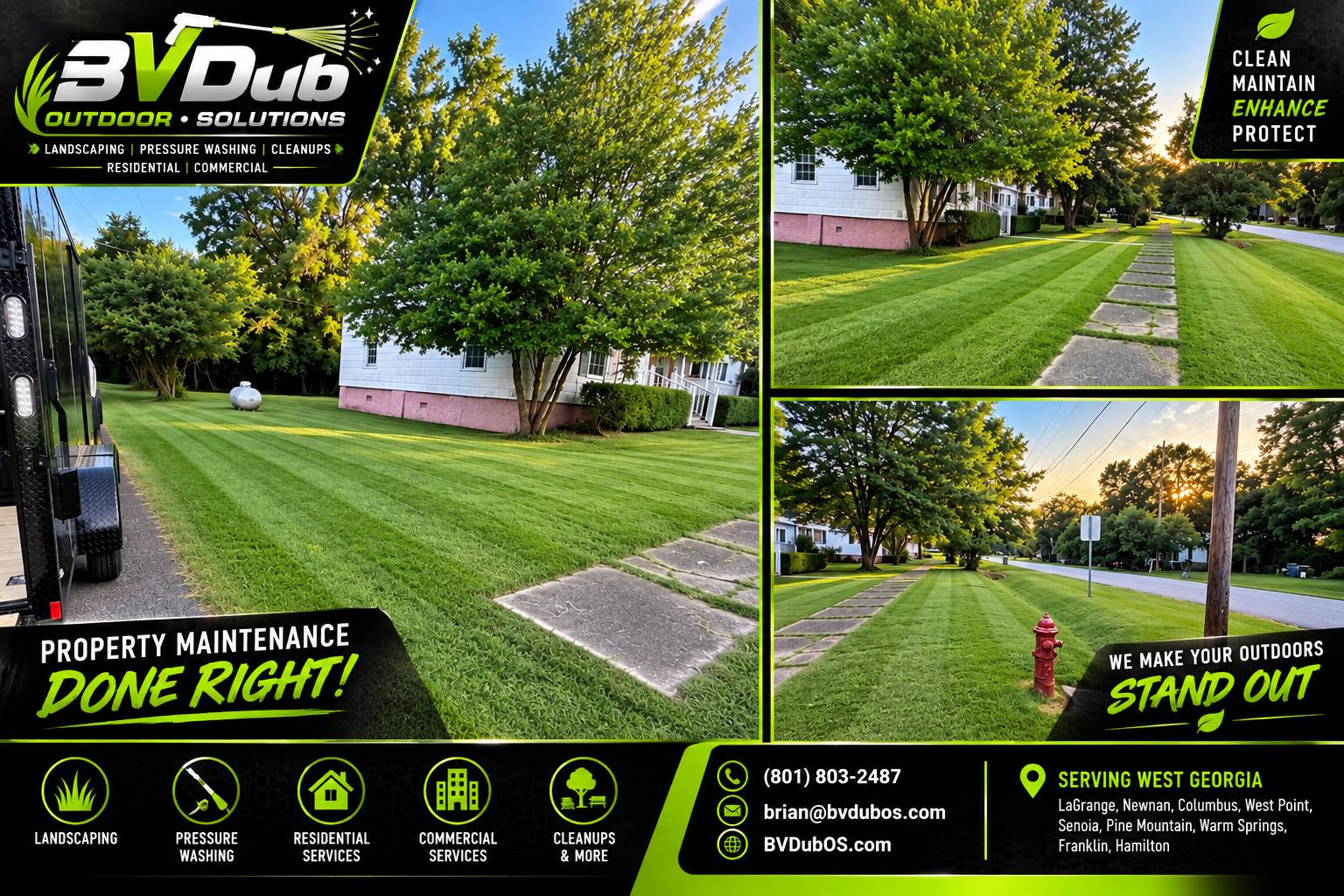
- Mowing turf areas at the correct grass height
- Edging along driveways, walks, and beds
- Trimming around fences, trees, and obstacles
- Debris blowing to clear clippings from hard surfaces
This package is what separates a professional cut from a quick pass with a mower. If you want to know which residential lawn care services are worth paying for alongside mowing, our guide on residential lawn care services covers the full picture.
When Biweekly Mowing Is Not Recommended
Biweekly mowing is a tool, not a universal rule. On the wrong lawn it does more harm than a skipped week saves, and the damage shows up as scalping, thinning, and weed pressure that can take a full season to correct. Here is when to skip the fortnightly schedule, and why.
Grass types that struggle on a two-week cycle
Not all turf grows at the same pace. The one-third rule, never remove more than one-third of the blade height in a single cut, is the clearest test. If two weeks of growth pushes your grass past that threshold, biweekly is the wrong rhythm.
- St. Augustine grass: Aggressive in warm, humid weather and quick to thatch. In peak summer, St. Augustine can push past the one-third threshold in under two weeks, and cutting too much at once stresses the stolons and opens the canopy to weeds. Biweekly works in shoulder seasons but rarely in July.
- Bermuda grass: One of the fastest-spreading warm-season grasses. Under irrigation or heavy rain, Bermuda can grow an inch or more per week. A biweekly cut in June often means removing more than a third of the blade, the classic setup for scalping and brown patches.
- Zoysia grass: Denser and slower than Bermuda, so biweekly can work, but only if height is monitored. Zoysia that gets away from you is difficult to bring back down without stressing the turf.
- Tall fescue: A cool-season grass that grows fastest in spring and fall. Biweekly often fits fescue in summer heat, but spring growth can outpace a two-week visit.
Grass type sets the ceiling; season sets the pace.
Other situations where weekly is the safer call
- Heavy thatch or active weed pressure: Thatch blocks water and air, and weeds capitalize on stressed turf. Tighter, consistent cuts help the canopy recover and reduce weed seed heads.
- Recovery from damage, disease, or overseeding: New seed and recovering turf need light, frequent cuts, not a heavy two-week removal.
- Preparing a property for sale: Curb appeal is judged daily. A lawn that looks shaggy for four days out of every fourteen reads as neglected.
- Steep slopes or uneven terrain: Taller grass on uneven ground hides ruts and makes it harder for the mower to follow the contour, raising the risk of scalping.
If your lawn falls into any of these categories, weekly mowing protects the investment. If it does not, biweekly remains a sensible, cost-conscious choice. The right answer is the one your grass can tolerate, not the one that fits a fixed calendar.
Get a Quote for Biweekly Mowing in LaGrange and Woodland
The right schedule comes down to your grass, your season, and your budget. A biweekly lawn mowing service keeps costs down for slower-growing lawns, while weekly service protects fast-growing turf.
To see local options, visit our lawn mowing in LaGrange, GA page, or contact our team for a free quote. Get started with BV Dub Outdoor Solutions and keep your yard clean, healthy, and consistent all season.
Frequently Asked Questions
How much does biweekly mowing cost?
Biweekly lawn mowing cost depends on your lot size, grass height at each visit, terrain, and how much trimming and edging the property needs. Because the grass grows longer between cuts, a biweekly visit can take a technician longer than a weekly one, which affects the price. The only reliable figure is a quote based on your actual yard. Visit our website to request a quote for your property.
Is it okay to mow a lawn biweekly?
It works well for slow-growing lawns in spring and fall, for smaller yards, and for homeowners who simply want a tidy cut without a weekly commitment. The catch is the one-third rule: never remove more than a third of the blade height in a single cut. In peak summer growth, two weeks of growth often exceeds that, so you either accept a slightly rougher finish or switch to weekly for those months. A biweekly lawn mowing service is fine as long as you adjust the schedule by season.
Is weekly or biweekly lawn mowing better?
Weekly mowing suits fast-growing summer grass, larger properties, and lawns you want looking sharp at all times. Biweekly suits slower growth periods, tighter budgets, and yards that do not need a manicured finish every seven days. Many homeowners run a hybrid: weekly during the peak growing season and biweekly in spring and fall. That approach keeps the lawn healthy without paying for cuts it does not need.
Can a lawn go a month between mowings?
A month is too long for most lawns during the growing season. Grass left that long mats at the base, shades its own roots, and invites disease and weeds. When you finally cut it, you have to remove far more than a third of the blade, which stresses the turf and leaves clumps of clippings smothering the grass. If a month-long gap is unavoidable, have the lawn cut in stages over a couple of visits rather than scalping it in one pass.
What affects the cost of a lawn mowing service?
The main factors are lot size, grass height and density, how much edging and trimming is needed, obstacles like trees and beds, gate access, and whether you choose weekly or biweekly service. Debris removal and seasonal cleanup add to the total. Frequency matters too: a recurring service usually costs less per visit than a one-off cut because the property stays manageable. Ask for a written quote that lists what is included so you can compare fairly.
Ready to stop guessing about your mowing schedule? BV Dub Outdoor Solutions offers flexible recurring service, professional trimming and edging, and reliable communication so you always know when we're coming. Get started with BV Dub Outdoor Solutions and enjoy a lawn that looks cared for every week of the season.